Journal · · updated · 3 min read
The Niçoise temptation: why a vintage sardine is best served plain
Tomato, olives, garlic and herbs suit fresh sardines and everyday or recipe tins. A vintage sardine has spent years changing slowly in its oil, and strong flavours hide exactly that, so it is best tasted plain first, on bread, with little else.
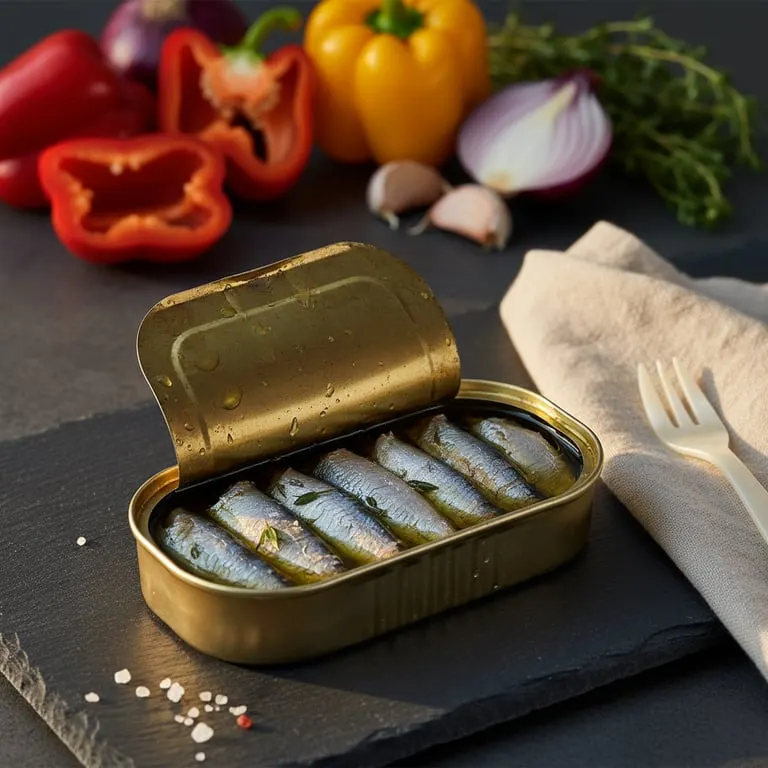
Niçoise cooking is one of the joys of French food. Tomatoes, black olives, garlic, basil, good olive oil: everything bright and generous. Sardines have a natural place in it, and it is tempting to bring that sunshine to any tin you open. With a vintage sardine, it is worth pausing first.
Sardines in the Niçoise kitchen
Around Nice, sardines are mostly cooked fresh. They are grilled, fried, or opened flat and stuffed, often with chard, herbs, cheese and egg, then baked. In these dishes the sardine is one voice among several. The point is the whole plate.
The same spirit has found its way into tins. Many canneries make recipe tins with Mediterranean flavours: sardines with tomato, with herbs, with olives. La Belle-Iloise, for example, has made sardines with Nice olives, and that 2021 recipe is among the tins in the collection presented on this site. These tins are made to be enjoyed as they are, and they are good.
What a vintage sardine is
A vintage sardine is something else. It is canned in season, usually in plain olive oil, dated by year and meant to be kept. Over years in the tin, the flesh softens, the bones become tender, and fish and oil take on each other's taste. The changes are slow and quite subtle: a rounder flavour, a softer texture, a longer finish.
Those qualities are the whole reason for keeping a tin. They are also exactly what strong flavours cover. Raw garlic, sharp olives, tomato and basil all speak louder than a sardine that has spent five years quietly mellowing.
Why plain comes first
Serving a vintage sardine plain is not austerity. It is simply the way to taste what you have waited for. Think of it as you might think of a fine cheese: you would taste it on its own before deciding what goes with it.
David Lebovitz, writing about Rödel sardines on his site, says he resists adding anything beyond a little flat-leaf parsley or chives, and perhaps a squeeze of lemon, preferring them as plain as possible, on good bread with salted butter. That is a good place to start.
How to serve a vintage tin
- Bring it to room temperature. Cold oil tastes dull and keeps the flesh firm.
- Open it at the table. The first scent of the oil is part of the pleasure.
- Taste one sardine on its own, with a fork.
- Then try one on bread, plain or with butter.
- Add, if you like, a little at a time: a few drops of lemon, a pinch of herbs, a grind of pepper.
Keep the oil. A spoonful on bread or on a warm potato is one of the best parts of the tin.
Where Niçoise flavours shine
None of this means giving up the Mediterranean. It means using it where it helps.
- With fresh sardines, grilled or stuffed, Niçoise flavours are at home.
- With everyday tins, they turn a quick lunch into something special: sardines on toast with tomato and olives, crushed into a spread with garlic and herbs, or in a sandwich in the spirit of a pan bagnat.
- With recipe tins, the flavours are already there.
A vintage tin that has disappointed you, or one of many from the same year, can also go into a gentle dish. Just taste it plain first.
A simple test at home
If you want to see the difference for yourself, open two tins side by side: an everyday sardine in olive oil, and a vintage tin several years old. Taste each plain. Then add a little tomato, olive and garlic to each.
With the everyday tin, the garnish will probably improve things. With the vintage tin, it will probably make it taste more like the everyday one. That is the whole argument in one mouthful.
Purity without fuss
The choice is not between pleasure and principle. A vintage sardine is a small, patient thing; it rewards a simple plate. A Niçoise dish is a generous, sunny thing; it rewards fresh fish and lively tins. Keep each for the moment it suits.
For more on telling the two kinds of tin apart, read Cooking sardines or tasting sardines: knowing which tin is which. For the classic Breton way of serving a plain sardine, see Sardines, butter and Guérande salt.
From the collection
Marianne Larvol · 5 tins · Shelf I
Chiporev · 2 tins · Shelf I